How to Pass the NCLEX on the First Try After ATI: A Post-Predictor Study Plan
From ATI to NCLEX: Where Your Preparation Really Stands
Finishing your ATI Comprehensive Predictor is a milestone, but it is not the finish line. Many nursing students walk out of their final ATI exam feeling either relieved or anxious, and both reactions can derail the weeks that follow. If your goal is to pass the NCLEX on the first try, the period between ATI and your test date is where that outcome is actually decided. ATI tests the content your program taught you, and it does a good job of predicting performance. The NCLEX is different, though. It uses computerized adaptive testing and Next Generation item types that demand clinical judgment rather than recall.
The good news is that the work you put into ATI was not wasted. You already have proctored scores, focused review topics, and a sense of how you handle long, high-stakes exams. The challenge is turning that data into a targeted NCLEX study plan instead of starting over from page one of a review book. If you did not hit the benchmark your school required, read our guide on what to do next after failing the ATI proctored exam before you panic. A low score is a diagnosis, not a verdict.
While you study, keep the administrative side moving. Apply for licensure with your state board and register with Pearson VUE as soon as your school allows. Delays in receiving your Authorization to Test can stretch your prep window longer than you planned. Our breakdown of how long it takes to get your NCLEX ATT explains the timeline so you can schedule your exam with confidence. Many graduates aim to test within about four to eight weeks of graduation, while ATI Comprehensive Predictor content is still fresh.

Turn Your ATI Comprehensive Predictor Score Into a Roadmap
Your ATI Comprehensive Predictor report is the most valuable study tool you own right now. It breaks your performance down by NCLEX client need categories, such as Management of Care, Safety and Infection Control, Pharmacological and Parenteral Therapies, and Physiological Adaptation. It also gives you a list of Topics to Review. Save that report as a PDF or print it, then rank every category from weakest to strongest. Your weakest two or three categories should get roughly half of your study time over the next several weeks.
Pay attention to your predicted probability of passing as well. A high probability suggests your content foundation is solid, so your focus should shift to question strategy and stamina. A lower probability means content gaps still exist, and you should blend focused review with questions every day. For a deeper look at how the scoring works, see our article on the ATI Comprehensive Predictor exam explained.
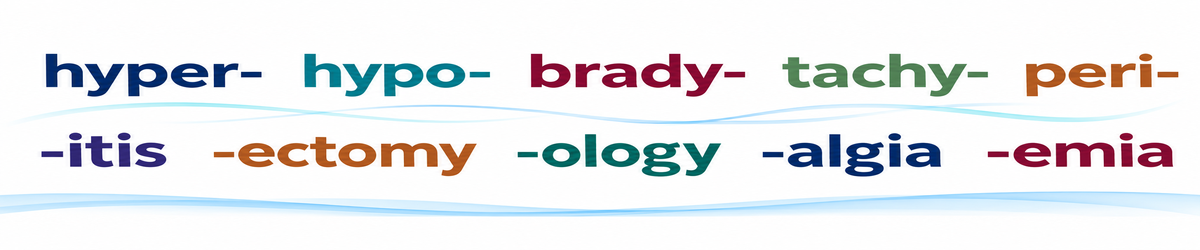
Avoid one common trap: rereading entire ATI review modules cover to cover. That approach feels productive but rarely improves scores. Instead, take each weak topic, review the core concept for 20 to 30 minutes, then immediately answer 15 to 25 questions on it. If you missed pharmacology items, for example, revisit drug classes by suffix and nursing priority, then test yourself right away. This active cycle of review and retrieval is how students who pass the NCLEX on the first try close gaps quickly. Track every missed question in a notebook along with the reason you missed it, whether that was a knowledge gap, a misread stem, or a changed answer. Patterns usually appear within a week.

Build a 4 to 6 Week NCLEX Study Plan After ATI
A realistic NCLEX study plan after ATI should balance three activities every day: practice questions, remediation, and focused content review. A strong rhythm for most graduates is 75 to 150 practice questions per day, five or six days a week, with one full rest day. Spend as much time reading rationales as you spend answering questions, because the rationale is where the learning actually happens.
In the first two weeks, lean heavily on the weakest client need categories from your ATI Comprehensive Predictor report. Weeks three and four should broaden into mixed question sets across all categories, so your brain practices switching topics the way the real exam forces you to. In the final one to two weeks, shift toward full-length timed practice exams and lighter review of high-yield material such as lab values, isolation precautions, and priority frameworks.

Structure matters more than total hours. Study in focused blocks of about 50 minutes with 10-minute breaks, and do your hardest work at the time of day you plan to test. Our guide to smart NCLEX study methods for retaining information covers spaced repetition and active recall in more detail, and both techniques fit neatly inside any NCLEX study plan. Flashcards are ideal for short gaps in your day, such as waiting in line or winding down before bed, so use the NCLEKS flashcard decks to reinforce lab values and medications without sitting at a desk.
Finally, write your plan down. A calendar with daily question targets and topics keeps you accountable and prevents the scattered studying that leaves students feeling busy but unprepared. If you want to pass the NCLEX on the first try, seeing your NCLEX study plan laid out in front of you makes it far easier to trust the process.

Shift From Recall to Clinical Judgment for the Next Generation NCLEX
One reason strong ATI performers occasionally struggle on the NCLEX is that the exam is built around the NCSBN Clinical Judgment Measurement Model. Next Generation NCLEX case studies ask you to recognize cues, analyze cues, prioritize hypotheses, generate solutions, take action, and evaluate outcomes. Memorizing facts alone will not carry you through a six-question unfolding case about a client whose condition changes from one screen to the next.
To build this skill, read each case study as a clinical story. Ask yourself what is abnormal, what is most dangerous, and what the nurse can do about it right now. Our walkthrough on how to break down NextGen NCLEX case study questions shows how to move through each step of the model without getting lost in the data. Make sure you also practice matrix grids, drag-and-drop, bowtie, highlight, and extended multiple response items, since many of these formats use partial credit scoring.
Select all that apply items deserve special attention because they remain one of the most feared formats. Treat each option as a separate true or false statement measured against the stem, and never guess based on how many options you think should be correct. Our guide on how to answer select all that apply questions explains this method step by step. Students who pass the NCLEX on the first try are rarely the ones who know the most facts; they are the ones who can apply what they know to an unfamiliar client situation. If your ATI Comprehensive Predictor results showed weaker scores in Physiological Adaptation or Reduction of Risk Potential, focus your case study practice there first.

Master Priority, Delegation, and Safety Questions
Management of Care is the largest client need category on the NCLEX-RN, and it is where many gaps from ATI tend to show up. These questions ask which client you see first, which task you delegate, and which action prevents harm. They rarely test obscure content. Instead, they test your judgment.
Start with a consistent prioritization framework. Airway, breathing, and circulation come first in physiological emergencies; Maslow's hierarchy helps when physical needs compete with psychosocial ones, and safety concerns override routine care. If you are unsure how these frameworks interact, our article on ABCs or Maslow in NCLEX priority questions clears up when each one applies. Learn to separate stable clients from unstable ones as well. Expected findings for a condition, such as mild incisional pain after surgery, are lower priority than unexpected changes like new confusion or a sudden drop in oxygen saturation.
Delegation questions follow predictable rules. The RN keeps assessment, initial teaching, evaluation, and care of unstable clients. LPNs can care for stable clients with predictable outcomes and reinforce teaching, while assistive personnel handle routine tasks such as ambulation, hygiene, and vital signs on stable clients. Review our guide on how to answer delegation questions on NCLEX for the LPN versus UAP distinctions that appear again and again.
Build these topics into your NCLEX study plan every single day, even if only 20 questions at a time. Priority and delegation skills improve with repetition, and they are often the difference between hovering near the passing standard and clearing it comfortably. That margin is exactly what helps you pass the NCLEX on the first try.

Practice Exams, Stamina, and Test-Day Readiness
About two weeks before your exam, start taking full-length timed practice tests under realistic conditions. Sit at a desk, silence your phone, and take scheduled breaks just as you would at the testing center. Both the NCLEX-RN and NCLEX-PN allow up to five hours and can end anywhere between 85 and 150 questions, so mental endurance is a skill you need to train deliberately.
The Final Readiness Assessment exams on the NCLEKS NCLEX practice page are designed for exactly this phase. Take one early in your final two weeks to establish a baseline, then take another a few days before the real test to confirm your progress. Review every rationale afterward, including the questions you answered correctly, because lucky guesses hide weak spots.
Handle the logistics early so nothing distracts you on the day itself. Confirm your appointment, plan your route, and check identification requirements against our list of what to bring on NCLEX test day. The name on your ID must match your registration exactly, or you may be turned away. The night before, stop studying by early evening, eat a normal dinner, and aim for a full night of sleep. Cramming in the final 24 hours raises anxiety without adding meaningful knowledge. If you have followed your NCLEX study plan consistently, trust the work you have done. Graduates who pass the NCLEX on the first try usually walk in rested rather than over-studied.
Protect Your Mindset in the Final Stretch
The weeks after ATI can feel lonely. Classmates are scattered, some have already tested, and social media is full of people posting their results. Comparing your timeline to anyone else's only adds pressure. Your job is to follow your own plan and protect your energy.
Watch for signs of exhaustion, such as rereading the same rationale three times without absorbing it, growing irritability, or dreading every study session. These are signals to rest, not to push harder. Our article on the signs of nursing school burnout and how to recover offers practical ways to reset before your performance slips. Exercise, regular meals, and time with supportive people are not distractions from studying; they are part of what makes studying work.
On test day, if the questions feel hard, do not read that as failure. The adaptive algorithm is designed to challenge you near your ability level, so difficult items are expected for nearly everyone. Read each question carefully, identify what it is really asking, choose your best answer, and move on. You cannot go back to earlier items, so dwelling on a previous question only steals focus from the one in front of you. Take your optional breaks, drink water, and reset your breathing whenever you notice tension building.
Your ATI Comprehensive Predictor gave you a map of your strengths and weaknesses. Combined with a focused NCLEX study plan, daily question practice, and deliberate clinical judgment training, it gives you every tool you need to pass the NCLEX on the first try.




No comments yet. Be the first to comment!