NCLEX Priority Questions: Stable vs Unstable Patients Explained
NCLEX priority questions are a critical component of the nursing licensure exam, designed to assess a candidate’s ability to make safe, effective clinical decisions. From the very first scenario, NCLEX priority questions emphasize patient safety, rapid judgment, and the ability to distinguish between urgent and non-urgent care needs. The National Council of State Boards of Nursing (NCSBN) reports that patient safety and effective care environment make up nearly 25–37% of the NCLEX-RN exam, highlighting the importance of prioritization skills
In both clinical practice and exam settings, prioritization determines outcomes. Nurses are expected to manage multiple patients, identify risks early, and act decisively. This is where understanding Stable vs unstable patients NCLEX becomes essential. Recognizing which patient requires immediate attention can mean the difference between life and death. This article explores how to master NCLEX priority questions, focusing on frameworks such as ABCs and Maslow’s hierarchy. You will also learn practical strategies, review stable vs unstable patient examples, and apply nursing priority decision making in realistic test scenarios. By the end, you will feel more confident tackling NCLEX patient prioritization tips and high-stakes exam questions. Continue reading to know more.

Understanding Priority in NCLEX Questions
Priority in NCLEX priority questions refers to selecting the most urgent or critical patient need among several options. The exam evaluates your ability to think like a nurse, not just recall facts.
Research indicates that practicing prioritization questions helps improve nursing students’ clinical decision-making skills and overall readiness for patient care.
Prioritization is heavily tested because nurses must constantly triage care. Whether in emergency departments or general wards, nursing priority decision making ensures efficient use of time and resources. This is why NCLEX prioritization practice questions are a core study focus.
Decision-making frameworks guide these choices. Tools like ABC (Airway, Breathing, Circulation) and Maslow’s hierarchy help break down complex situations. These frameworks are foundational to answering NCLEX priority questions correctly and consistently.

Defining Stable vs Unstable Patients
Understanding Stable vs unstable patients NCLEX is important. A stable patient has predictable vital signs, controlled symptoms, and no immediate risk of deterioration. For example, a patient recovering from surgery with stable vitals is considered stable.
In contrast, unstable patients show signs of deterioration. These may include abnormal vital signs, respiratory distress, altered mental status, or active bleeding. Evidence shows that early recognition of patient deterioration using structured monitoring systems can support timely intervention and may help improve patient outcomes, although the impact on hospital mortality varies across studies
Recognizing stable vs unstable patient examples quickly is crucial. For instance, a patient with mild pain is stable, while one with chest pain and shortness of breath is unstable. These distinctions are central to NCLEX priority questions and guide nursing priority decision making.
The ABC Framework (Airway, Breathing, Circulation)
The ABC framework is one of the most important tools in NCLEX priority questions. It prioritizes life-threatening conditions:
- Airway obstruction is the highest priority
- Breathing issues come next
- Circulation problems follow
For example, a blocked airway is more urgent than low blood pressure. This structured approach simplifies nursing priority decision making and improves accuracy.
According to the American Heart Association, effective airway management is an essential component of cardiopulmonary resuscitation and supports oxygenation during emergencies, though survival outcomes depend on multiple factors, including timely CPR and overall resuscitation quality
This reinforces the importance of ABCs in NCLEX prioritization practice questions. Applying ABC in stable vs unstable patient examples helps identify the most critical patient. For instance, a patient gasping for air is prioritized over one with mild hypertension.
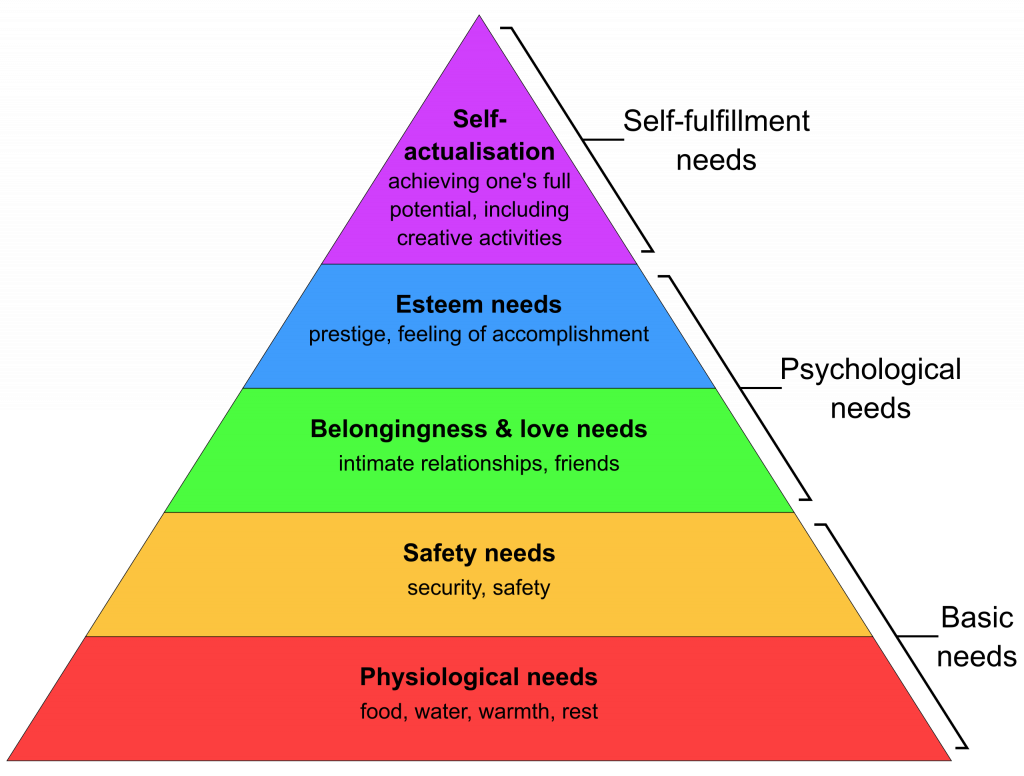
Maslow’s Hierarchy of Needs in Nursing Prioritization
Maslow’s hierarchy of needs is a key framework used in nursing to rank patient needs from the most basic to the most complex. At the foundation are physiological needs such as oxygen, airway, food, and fluid balance, followed by safety, love and belonging, and self-esteem.
In NCLEX priority questions, physiological needs always take top priority because they are essential for survival. For example, a patient experiencing breathing difficulty or low oxygen levels must be treated before addressing concerns like anxiety or emotional distress. This principle is central to many NCLEX patient prioritization tips and helps guide safe clinical decisions.
Research shows that unmet basic needs are linked to poorer patient outcomes, reinforcing the importance of this framework in real-world care. However, NCLEX questions often include distractors. Emotional or psychological concerns may appear urgent but are secondary to physical instability. Recognizing these traps is essential for mastering stable vs unstable patients NCLEX and improving prioritization accuracy.
A nurse on a medical-surgical unit is caring for four patients during a busy shift. While reviewing the patient assignments, the nurse notes changes in one patient’s condition that may require immediate intervention. Which patient should the nurse assess first?
Acute vs Chronic Conditions in Priority Questions
Acute conditions are sudden and require immediate intervention, while chronic conditions are long-term and often stable. In NCLEX priority questions, acute problems always come first.
For example, a patient with new-onset chest pain is prioritized over one with chronic arthritis. According to the Centers for Disease Control and Prevention (CDC), approximately 805,000 people in the United States experience a heart attack each year, emphasizing the urgency of acute care.
Understanding stable vs unstable patient examples in this context is vital. Chronic conditions may still be serious, but are usually not immediately life-threatening. This distinction strengthens nursing priority decision making and improves performance in NCLEX prioritization practice questions.
A nurse is prioritizing care for four patients at the beginning of the shift. Each patient has different physical and emotional needs that must be addressed. Which patient should the nurse see first?
Expected vs Unexpected Findings
Expected findings are normal signs and symptoms associated with a patient’s condition, while unexpected findings often indicate potential complications or clinical deterioration. In NCLEX priority questions, recognizing the difference between expected and unexpected findings is essential because unexpected changes frequently signal instability and require immediate intervention.
For example, mild swelling, slight redness, and discomfort after surgery are expected findings during recovery. However, symptoms such as sudden shortness of breath, chest pain, confusion, or a rapid drop in oxygen saturation are unexpected and may indicate life-threatening complications like pulmonary embolism, internal bleeding, or hypoxia. Accurately distinguishing these cues is crucial when analyzing stable vs unstable patients NCLEX scenarios.
Evidence shows that early recognition of abnormal clinical signs allows healthcare providers to detect deterioration sooner, enabling prompt intervention and improved patient outcomes. This highlights the importance of this skill in nursing priority decision making. Nurses must continuously evaluate whether a patient’s symptoms align with the expected recovery pattern or represent a deviation. Applying this concept also helps eliminate incorrect answers in NCLEX prioritization practice questions, allowing test-takers to focus on the most urgent and clinically significant patient needs.
A nurse is working on a telemetry unit and is reviewing patient reports. Some patients have long-standing conditions, while others present with new symptoms. Which patient should be assessed first?
Test-Taking Strategies for Priority Questions
To succeed in NCLEX priority questions, focus on quickly identifying the most unstable patient. Pay close attention to keywords such as “first,” “immediate,” or “priority,” as they signal that you must choose the most urgent situation requiring intervention. These cues are essential for accurate nursing priority decision making.
Time management is equally important. Aim to spend no more than 1–2 minutes per question to maintain a steady pace throughout the exam. Consistent practice with NCLEX prioritization practice questions helps improve both speed and accuracy while reinforcing key concepts. At NCLEKS, we have study plans that can help you get started with the NCLEX-RN or NCLEX-PN exams.
Another effective strategy is patient comparison. Always ask yourself, “Who is the most unstable?” This approach strengthens your understanding of stable vs unstable patient examples and helps narrow down answer choices logically.
Finally, rely on structured frameworks such as ABC (Airway, Breathing, Circulation), Maslow’s hierarchy, and acute versus chronic conditions. These tools provide a reliable foundation for answering even the most challenging NCLEX questions with confidence.
A nurse is caring for post-operative patients recovering from abdominal surgery. During rounds, one patient exhibits a change that may indicate a complication. Which patient requires immediate intervention?
Mastering NCLEX priority questions requires a strong understanding of Stable vs unstable patients NCLEX, and the ability to apply structured frameworks. By focusing on ABCs, Maslow’s hierarchy, and recognizing acute versus chronic conditions, you can improve your clinical reasoning and exam performance.
Consistent practice with NCLEX prioritization practice questions, combined with recognizing stable vs unstable patient examples, will enhance your confidence. Remember that nursing priority decision making is not just for exams—it is a critical skill for real-world patient care. By applying these NCLEX patient prioritization tips, you will be better prepared to identify the most critical patient, make safe decisions, and succeed on the NCLEX exam.



No comments yet. Be the first to comment!