What Should You Bring to Nursing Clinicals? Complete Checklist for First-Time Students
Starting your first clinical rotation can feel overwhelming, and having a clear nursing clinical checklist is essential for success. Knowing exactly what to bring to nursing clinicals not only reduces stress but also helps you focus on patient care and learning. Many first-time students underestimate how much preparation matters until they step into a real healthcare setting.
Clinical rotations are where theory meets practice. According to the National Council of State Boards of Nursing, clinical experience is essential for building nursing competencies, with research indicating that replacing up to 50% of traditional clinical hours with simulation still results in comparable student competency outcomes. This guide provides a complete nursing clinical checklist, outlining what to bring to nursing clinicals, along with practical advice aligned with first clinical day preparation tips and a detailed nursing clinical essentials checklist. Let's dive in.
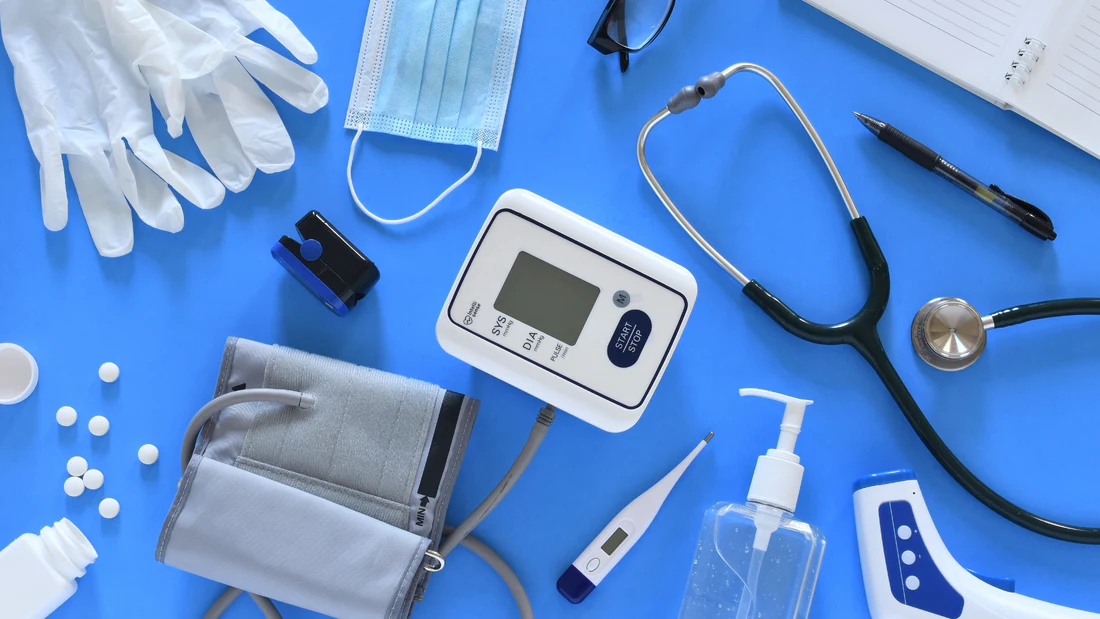
Required Documents and Identification
A well-prepared nursing clinical checklist always starts with documentation. Forgetting essential paperwork can prevent you from participating in clinicals altogether.
First, your student ID and clinical badge are mandatory. Hospitals require proper identification. When considering what to bring to nursing clinicals, these items should always come first.
You’ll also need clinical paperwork, including assignments and care plans. Keeping these organized is part of a strong nursing clinical essentials checklist and reflects what nursing students need for success. Immunization records are often required.
According to the CDC, international healthcare workers must maintain up-to-date vaccinations . This reinforces the first clinical day preparation tips. Lastly, bring a notebook or journal. This is a key part of nursing student clinical supplies and helps reinforce learning while following the first clinical day preparation tips.

Essential Nursing Tools and Equipment
It is imperative to note that no nursing clinical checklist is complete without the right tools. This is because these tools directly impact your efficiency and confidence during patient care. Whether you are dealing with a person who has insulin-related issues or want to carry out a head-to-toe assessment on a particular patient, you need to have the right tools at hand. Understanding what to bring to nursing clinicals ensures you are fully prepared to handle essential clinical tasks.
A stethoscope is one of the most important tools for accurate patient assessment, while a watch with a second hand is necessary for measuring vital signs. Both are key components of a nursing clinical essentials checklist and should never be overlooked.
Penlights and bandage scissors are also crucial for assessments and routine procedures. These items form part of your core nursing student clinical supplies and reflect what first-time nursing students need in real-world settings. Additionally, a pocket notebook helps you track observations and instructions.
Research shows that note-taking can improve your memory, making it a valuable addition to your nursing clinical checklist. Preparing these tools follows the first clinical day preparation tips and ensures you are organized, confident, and ready.
Proper Clinical Uniform and Personal Appearance
Your appearance in clinical settings is more than just following a dress code. This is because it directly reflects your professionalism, attention to detail, and respect for patient care standards. A well-structured nursing clinical checklist must go beyond listing scrubs and shoes. This means that it should clearly outline uniform expectations to ensure full compliance with institutional and safety guidelines.
Approved scrubs are mandatory, and they should be clean and wrinkle-free. Comfortable, closed-toe shoes are also essential since nursing students spend an average of 8–12 hours on their feet during clinical shifts.
Compression socks are optional but highly recommended. Studies on compression wear in healthcare workers show that compression stockings can reduce lower-leg fatigue and discomfort during long shifts by improving venous return and reducing edema. Hair should be neatly tied back, nails kept short, and hygiene maintained. These standards are a core part of what to bring to nursing clinicals—not just items, but habits as well.
Minimal jewelry and a professional presentation align with expectations outlined in most nursing clinical essentials checklist guidelines. Following these first clinical day preparation tips ensures you make a positive first impression.
Must-Have Study and Reference Materials
Academic preparation is just as important as physical readiness. For adequate academic preparation, there are several study tools that should be present in your nursing clinical checklist. A good example of these study tools is a drug guide or a nursing handbook.
After all, medication errors are a major concern in healthcare, with the World Health Organization estimating that medication errors cause at least one death daily and injure about 1.3 million people per year in the United States alone. As a result, having a reliable reference is a critical part of what nursing students need.
Care plan templates help you stay organized and meet academic requirements. Flashcards and quick-reference notes are also valuable additions to your nursing student clinical supplies. Mobile apps can be helpful if your institution allows them.
Many students use drug reference apps to quickly verify dosages and interactions, enhancing their nursing clinical essentials checklist. Including these tools ensures your first clinical day preparation tips are comprehensive and aligned with best practices for what to bring to nursing clinicals.
Personal Comfort and Hygiene Essentials
It is no secret that clinical days can be long, physically demanding, and mentally draining. For this reason, your nursing clinical checklist should always include personal comfort and hygiene essentials. Being prepared in this area helps you stay focused, energized, and ready to provide quality patient care throughout your shift.
A reusable water bottle is a must-have, as proper hydration supports concentration and reduces fatigue during long hours. Light, healthy snacks such as granola bars or fruit can also help maintain your energy levels during short breaks. These small additions make a big difference when considering what to bring to nursing clinicals.
Hand sanitizer and lotion are equally important. Frequent handwashing, while essential for infection control, can lead to dry and irritated skin. Including these items in your nursing student clinical supplies ensures you remain comfortable and compliant with hygiene standards.
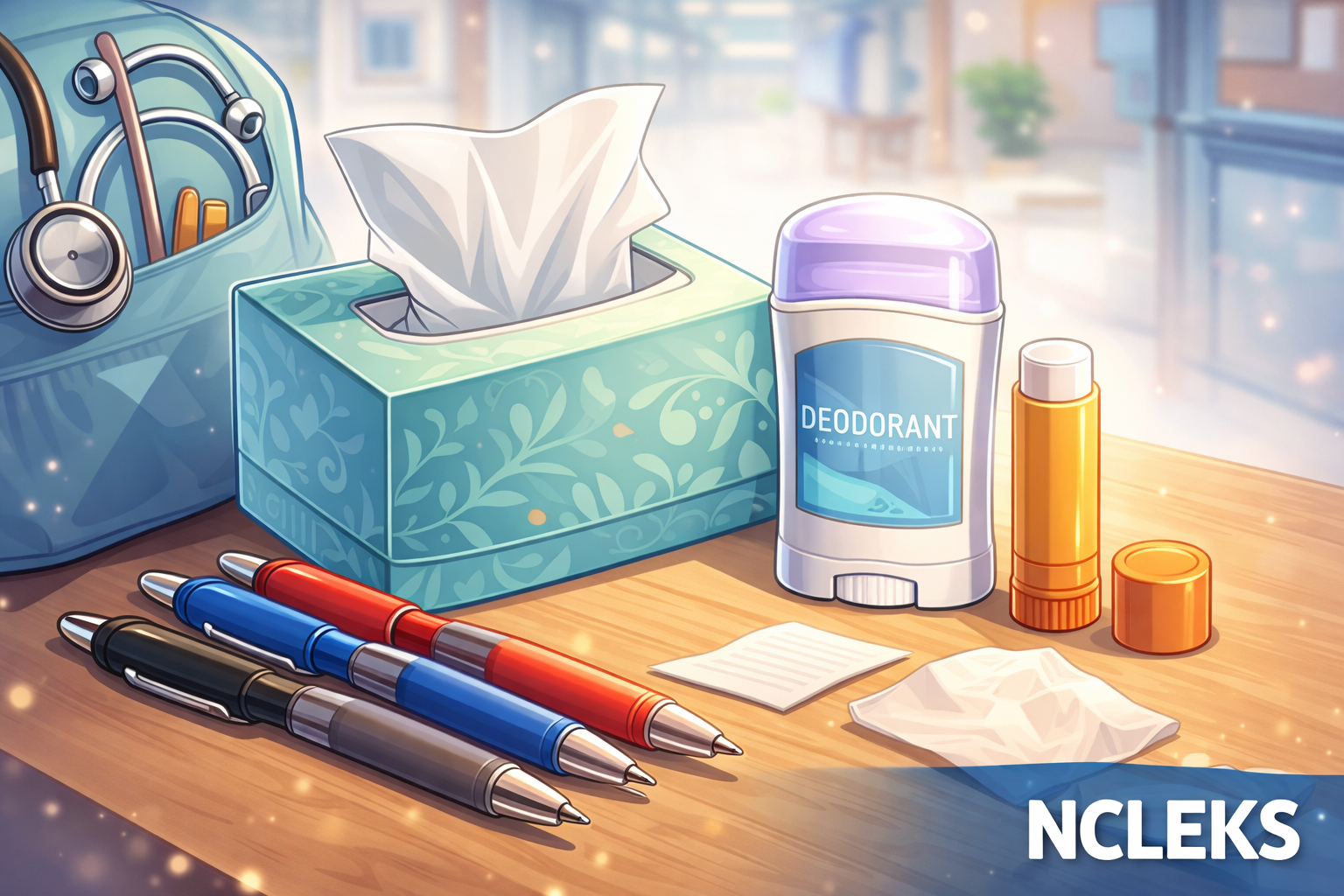
Don’t overlook simple items like extra pens, tissues, lip balm, and deodorant. They may seem minor, but they significantly improve your overall comfort. Incorporating them into your routine supports first clinical day preparation tips and ensures your nursing clinical essentials checklist is both practical and complete.
What NOT to Bring to Clinicals
Understanding what to avoid is just as important as knowing what to bring to nursing clinicals. A complete nursing clinical checklist should always include this often-overlooked section to help you stay organized and professional.
If you normally earn an extra income as a nursing student and have a large amount of money, it is advisable that you leave it at home. After all, clinical environments are usually busy places, and misplacing personal items can cause unnecessary stress and distraction during your shift.
Distractions such as excessive phone use or personal gadgets are strongly discouraged. Studies show that interruptions during medication administration significantly increase the likelihood of procedural and clinical errors by 12.% and 12.7%, respectively, highlighting the importance of maintaining focus at all times.
Unapproved bags or bulky items can disrupt workflow and limit mobility in tight clinical spaces. Keeping your nursing student clinical supplies minimal and well-organized is essential. Additionally, avoid strong fragrances, as patients may have sensitivities or respiratory conditions. Following these guidelines ensures your nursing clinical essentials checklist supports professionalism and aligns with what nursing students need for safe, patient-centered care.

Preparing with a structured nursing clinical checklist ensures success. Knowing what to bring to nursing clinicals helps reduce stress and improve performance. Review your items before clinicals and arrive early. These simple first clinical day preparation tips can make a major difference. Consistency in using a nursing clinical essentials checklist builds confidence over time. It reinforces what nursing students need to succeed. Ultimately, organizing your nursing student clinical supplies properly ensures a smooth, professional, and rewarding clinical experience. In this case, your first clinical experience can be both rewarding and transformative. That will go a long way in enabling you to become a professional nurse in the near future.
No comments yet. Be the first to comment!