9 Key Advantages of Becoming an LPN Before Pursuing an RN License
The LPN to RN pathway is one of the most practical and strategic routes for individuals entering the nursing profession. Many aspiring nurses explore the advantages of becoming an LPN first, as it provides a faster and more accessible entry into healthcare while building a strong foundation for future advancement. Nursing is a diverse and rewarding career that offers multiple entry points. A Licensed Practical Nurse (LPN) typically provides basic patient care under supervision, while a Registered Nurse (RN) takes on broader responsibilities, including assessments, care planning, and leadership roles.
Understanding the advantages of becoming an LPN helps prospective nurses make informed decisions about their careers. Opting to take the LPN to RN pathway allows individuals to gain experience, earn income, and gradually advance in their education. This article covers 9 key advantages of becoming an LPN. To know more about the advantages of becoming an LPN, read on, and you’ll be all set.
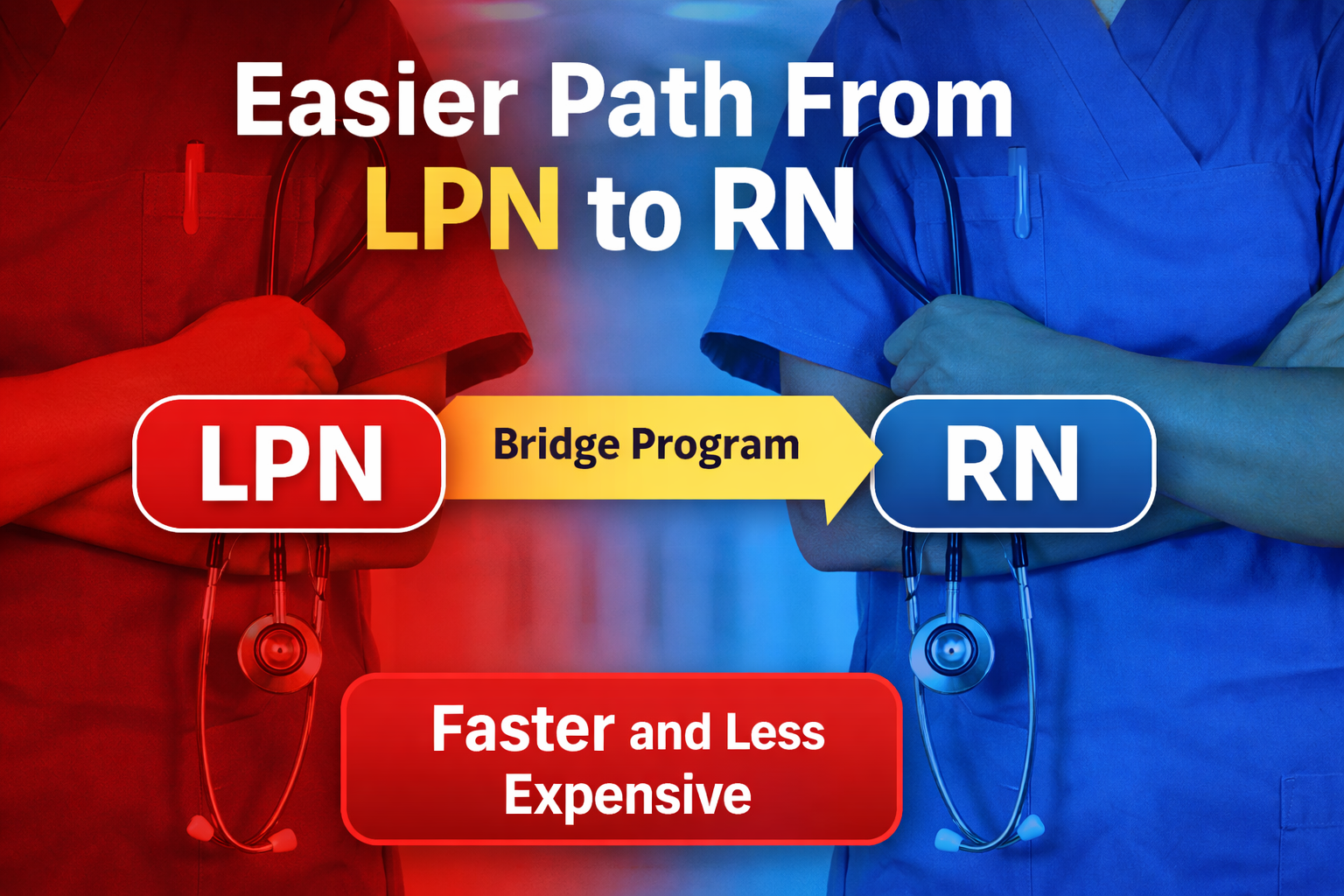
1. Faster Entry into the Nursing Workforce
One of the advantages of becoming an LPN is that it takes a shorter time to get trained. Generally, LPN programs take approximately 12 to 18 months to complete, whereas RN programs take 2–4 years.
This makes the LPN to RN pathway ideal for individuals eager to start working quickly. According to the U.S. Bureau of Labor Statistics, the growing demand for nurses and high number of annual job openings highlight the need for faster-entry roles like LPNs to help address ongoing healthcare staffing shortages.
This highlights the LPN to RN transition advantages in terms of speed and opportunity. Early entry allows students to start gaining clinical exposure, thus reinforcing the benefits of LPN experience. While at it, these students are able to follow a structured career progression guide.

2. Gaining Hands-On Clinical Experience Early
Early exposure to real patient care is one of the advantages of becoming an LPN. In the LPN to RN pathway, learners get to practice important bedside skills before advancing academically.
Clinical judgment and self-assurance are improved through practice. Studies in nursing education show that experiential learning approaches significantly improve critical thinking skills, which are closely associated with better patient care outcomes.
This hands-on experience explains the LPN before RN career path, where real-life experience improves the understanding of theories. These LPN to RN transition advantages make handling responsibilities at the RN level easier.
3. Earning While You Continue Your Education
Being able to earn as you carry on with your education is one of the notable advantages of becoming an LPN. After all, the LPN to RN pathway allows nursing students to work and earn an extra income while still in school.
According to the U.S. Bureau of Labor Statistics, the median annual wage for LPNs was $62,340 in May 2024. This wage offsets tuition to a great degree, demonstrating the benefits of LPN experience in reducing financial stress.
This approach aligns with the LPN before RN career path, allowing learners to fund their education. In addition, it supports long-term growth outlined in any nursing career progression guide, emphasizing practical LPN to RN transition advantages.
4. Lower Initial Educational Costs
Another advantage of becoming an LPN is affordability because the LPN programs are much less expensive than the RN programs, making the LPN to RN pathway more accessible to more people. As such, you might not need to apply for a scholarship as the fees involved are largely pocket-friendly.
According to the National Center for Education Statistics, shorter programs cost less, which means there is less student debt overall. This reinforces the benefits of LPN experience from a financial perspective.
Following the LPN before RN career growth allows students to spread costs over time. That strategy is encouraged in almost every nursing career progression guide. This, among other LPN to RN transition advantages, makes nursing careers more attainable.
5. Increased Competitiveness for RN Programs
The advantages of becoming an LPN extend to academic progression. If anything, those applicants who have clinical experience tend to stand out when it comes to RN admissions.
The LPN to RN Pathway shows determination and commitment. Nursing schools appreciate students who have prior experience in patient care. Further, this highlights the benefits of LPN experience.
This is consistent with the LPN before RN career pathway, where previous experience bolsters applications. In the context of a nursing career progression guide, this component guarantees a more seamless advancement and highlights LPN to RN transition advantages.
6. Better Understanding of Nursing Specialties
Working in different healthcare settings is one of the many advantages of becoming an LPN. The LPN to RN pathway gives early, valuable hands-on experience in various clinical environments, including hospitals, outpatient clinics, rehab, and long-term care. This broad range gives incoming nurses the experience to understand different patient demographics and clinical settings.
With this hands-on experience, individuals can more clearly identify their strengths and interests, and which specialties they want to pursue. Be it pediatrics, geriatrics, mental health, or emergency care, this early exposure reinforces the benefits of LPN experience by offering clarity and direction before committing to a specific RN specialty.
The LPN before RN career path plays an important role in improving how nurses feel about their careers. Instead of making purely theoretical decisions, nurses can base their decisions on actual experience. This is what modern nursing career development resources advocate for, as it is all about providing nurses with options. These insights clearly indicate the practical LPN to RN transition advantages for nurses, thus helping nurses to build a more focused and fulfilled career path.
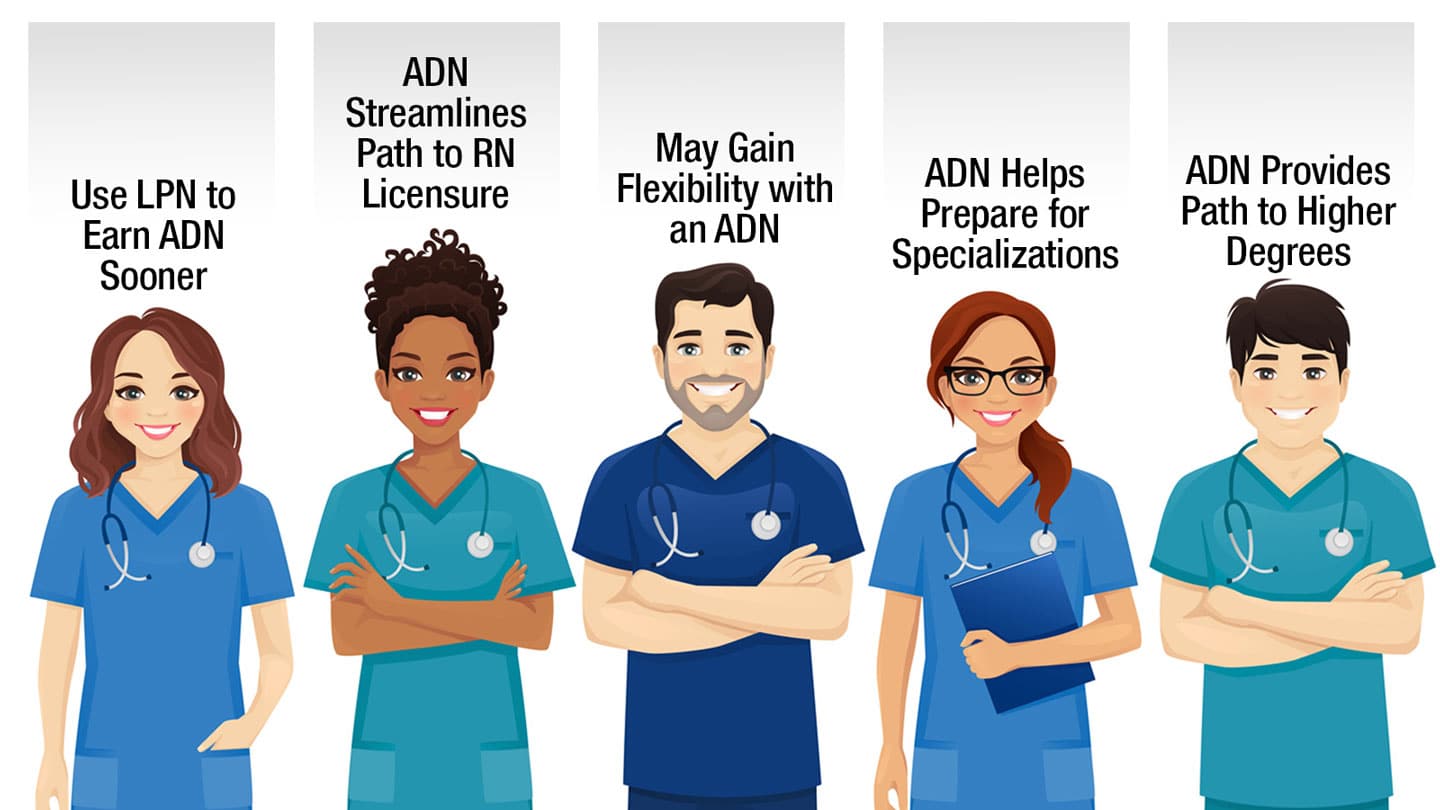
7. Stronger Time Management and Work Ethic
Balancing work and education is one of the most overlooked advantages of becoming an LPN. The LPN to RN pathway demands that individuals balance work and academic requirements and, therefore, inculcate discipline and good organizational practices at an early stage of their career. This two-fold undertaking assists students in being more effective when it comes to utilizing their time and prioritizing their tasks.
Research in nursing education shows that effective time management is essential for academic success and plays a key role in reducing burnout among nursing students. This brings out the wider benefits of LPN experience, which extend beyond clinical skills to include personal and professional development.
The LPN before RN career path inherently strengthens resilience, responsibility, and attention. These attributes are fundamental aspects of an effective nursing career progression guide, since they equip students to the rigor of RN programs. Finally, these practices have long-term LPN to RN transition benefits, which favor academic performance and a successful career.
8. Building Professional Networks Early
Besides the advantages of becoming an LPN discussed above, networking in nursing is another benefit that you can reap. The LPN to RN pathway paves the way for early networking with fellow nurses, doctors, managers, and other stakeholders in the clinical space. These connections can be leveraged for opportunities that can form the basis of career progression.
Establishing strong professional connections often leads to career guidance, mentorship, and even job referrals. All of this stems from the benefits of LPN experience. When one works in a particular healthcare setup, they get to learn a variety of clinical skills and the dynamics of the professional space.
An LPN to RN pathway has the potential to offer even more opportunities within a specific healthcare system. Once an organization has been familiarized with a certain individual, it is more likely to offer them a promotion. As indicated in most nursing career progression guides, networking is crucial for advancement. These connections provide lasting LPN to RN transition benefits, enabling nurses to move into more progressive roles and functions seamlessly.
9. Smoother Transition Through Bridge Programs
Among the many advantages of becoming an LPN, the option to attend bridge programs is highly valued. The LPN to RN pathway has structured programs that are aimed at career development. These programs are specifically tailored to help practicing nurses build on their existing knowledge and skills. They acknowledge the previous education and clinical experience, and make the transition more effective and focused
LPN to RN bridge programs recognize prior nursing education and experience, allowing students to skip introductory coursework and progress more quickly into advanced concepts. This approach shortens the time needed to complete further education while maintaining high academic standards.
With a strong foundation, students find it easier to learn and have confidence in what they are doing. This approach not only facilitates achievement in nursing school but also equips nurses with the skills needed for greater responsibility and leadership in more complex clinical environments.

The LPN to RN pathway offers a practical, flexible, and rewarding approach to building a nursing career. As discussed, the advantages of becoming an LPN include faster entry into the workforce, financial stability, valuable hands-on experience, and stronger academic preparedness for future studies. By starting at this level, medication aides and aspiring nurses gain real-world exposure that helps them make informed career decisions and transition confidently into more advanced roles. Ultimately, the LPN to RN pathway is more than just an alternative route—it is a strategic, experience-driven approach to achieving long-term success in nursing. It provides a solid foundation that prepares individuals for greater responsibilities, expanded career opportunities, and continued advancement within the healthcare field.



No comments yet. Be the first to comment!